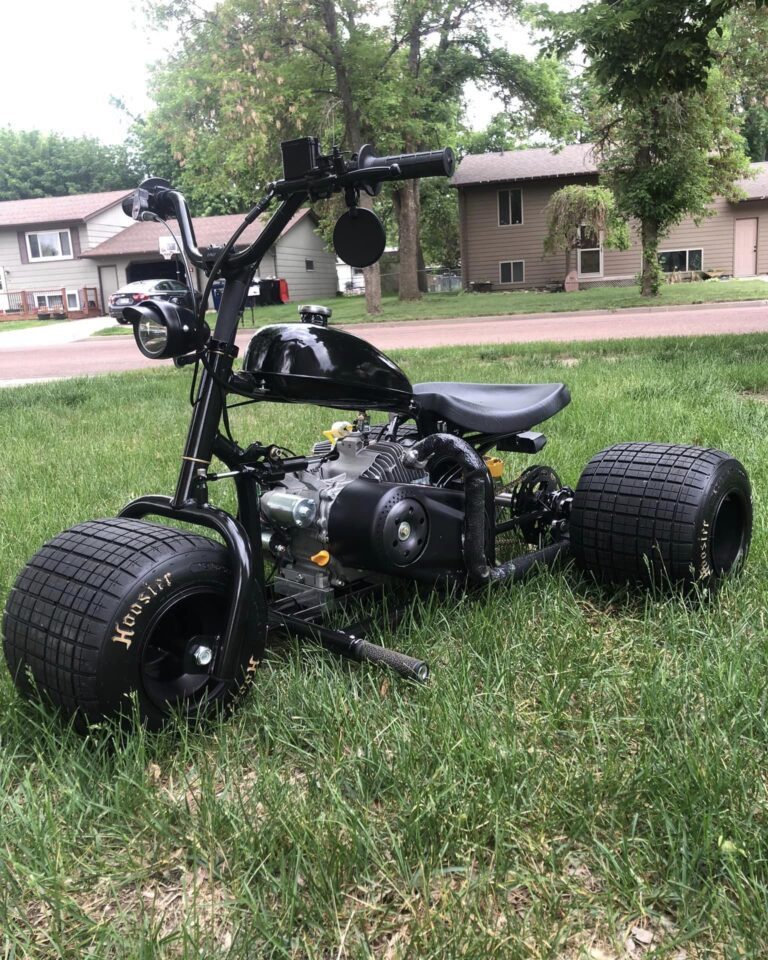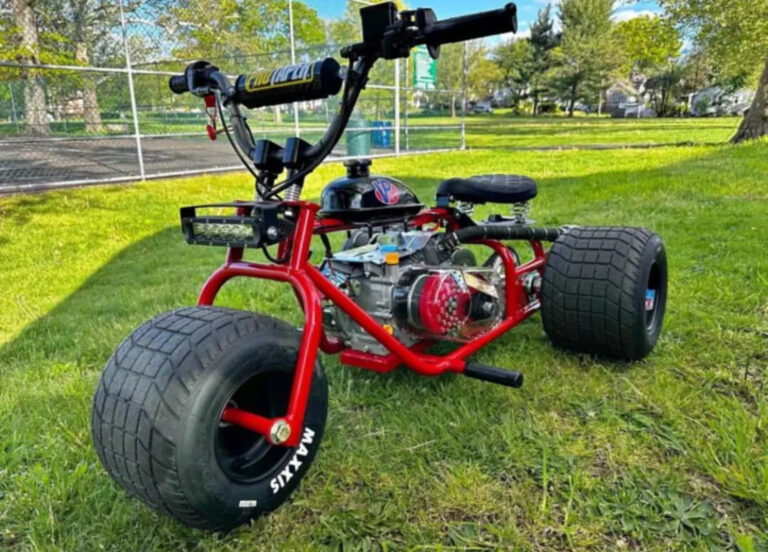
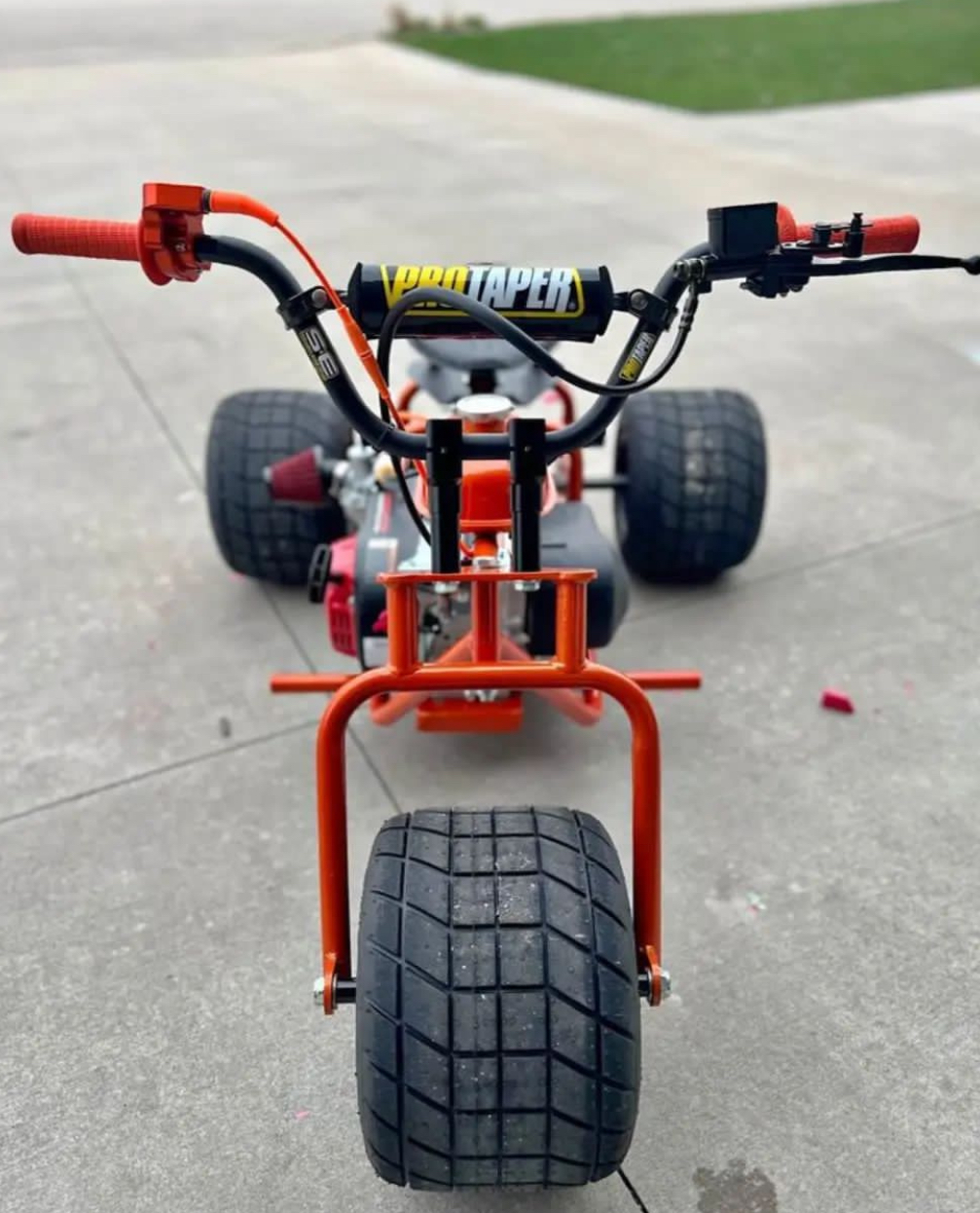
A mini bike vs. mini trike decision is about more than wheel count. Start with where you plan to ride, who will use the vehicle, and what the exact model includes. Then compare fit, controls, documentation, maintenance, and the parts you may need later.
ManTrikes catalog note (checked November 11, 2026): The current catalog results reviewed showed mini-trike listings but no separate mini-bike listing.[1] This guide compares the vehicle types generally; the ManTrikes links below are to mini-trikes. The catalog includes both ready-to-ride listings and bare-frame kits, which are different kinds of purchases.[2][3]
1. Start with where you plan to ride
Write down the intended location first: private property, a permitted off-road area, a closed course, or public roads. If public-road use is part of your plan, do not infer eligibility from a product photo, lights, a license plate, or another owner’s setup. Check the specific vehicle paperwork and ask the official motor-vehicle agency for your state or locality. USAGov’s state motor-vehicle services directory can help you find the right agency.[4] This checklist does not determine whether a particular mini bike or mini trike is street-legal.
The surface and space matter too. Describe the ground, slopes, available turning room, storage space, and how the vehicle will be transported. Ask the seller whether the exact model is intended for that use and surface; do not assume two vehicles with similar photos are interchangeable.
2. Compare the layouts without relying on assumptions
A mini bike generally has two wheels, while a mini trike generally has three. That describes the layout, not a safety rating or a guarantee about handling. Don’t assume a trike is automatically more stable or that a bike will suit every tight space. Ask how the specific model is operated, steered, stopped, and parked, and check its manual or written instructions.
If a seller offers a demonstration or test ride, ask them to explain the controls and follow their instructions in an appropriate controlled area. Use the experience to assess whether the size and riding position feel manageable—not to substitute for the manufacturer’s specifications or local requirements.
3. Check fit and reach
Before comparing paint colors or accessories, check whether the rider can sit comfortably and reach the controls. Look for published seat height, rider or weight limits, and dimensions. If the listing does not provide them, ask the seller rather than estimating from a photo.
Confirm that the rider can reach the handlebars, throttle, brakes, and footrests while seated in the intended position. For a multi-rider household, check the published fit limits for each rider; do not assume one size works for everyone.
4. Verify what is included and how it operates
Compare complete vehicles with other complete vehicles, and kits with other kits. A ready-to-ride mini-trike listing and a bare-frame kit are not like-for-like options.[2][3] Review the exact included-items list and confirm what remains to be purchased, assembled, or adjusted before the vehicle can be used.
Ask for the specific engine or motor, drivetrain, brakes, starting method, throttle and stop controls, and—if electric—the battery and charger details. Configurations vary, so don’t assume that a control layout or component on one mini bike or trike applies to another. Find the owner’s manual before purchase when possible; it should explain model-specific operation and maintenance.
5. Plan for maintenance and replacement parts
Ask where to find the manual and what routine checks the maker requires. Confirm the exact replacement parts for the model you are considering, including tire, chain or belt, brake, and battery components where applicable. A part that fits one mini trike may not fit another.
For example, ManTrikes’ chain-fitment guide describes one documented sprocket-and-chain configuration; it is not a universal chain size for every mini trike.[5] Use the exact product listing or manual to confirm fit before ordering parts.
6. Compare the real purchase, not just the headline price
Make a short side-by-side list of what each option includes, what must be added, who handles assembly, the current lead time, and what maintenance support is documented. Check shipping and other charges on the seller’s live page. A bare frame, a partly assembled kit, and a complete vehicle can have very different total costs, so compare equivalent configurations.
Mini bike vs. mini trike: final checklist
Before choosing, make sure you can answer these questions:
- Where will I ride, and have I checked official local guidance for any public-road use?
- Does the exact model fit the rider and provide published size or weight limits?
- Do I understand its controls and have access to its manual?
- What is included, and what still needs to be bought or assembled?
- Which parts need routine attention, and how will I confirm replacement-part fit?
- Am I comparing complete vehicles with complete vehicles, or kits with kits?
See current ManTrikes mini-trike listings
Browse the ManTrikes shop catalog[6], including the ready-to-ride mini-trike listing[2] and the gas mini-trike bare-frame kit[3]. Confirm the current listing details, included components, lead time, and availability before ordering. If you are shopping specifically for a mini bike, verify the seller’s separate product page and documentation; this guide does not imply that ManTrikes currently lists a mini bike.